

Our Guide to Alpines and Heathers


Alpines The most popular use for alpines is for planting in rock gardens or rockeries. These are beds of gritty soil with pieces of brought-in rock, either placed randomly or fitted together to look like a natural rock formation. The beds are then adorned with alpines, dwarf spring-flowering bulbs and dwarf conifers planted in the gaps to make a colourful, effective display. Whilst some people still do create rockeries today, the trend towards smaller gardens means there is limited room, so alpines tend to be used in more creative ways.
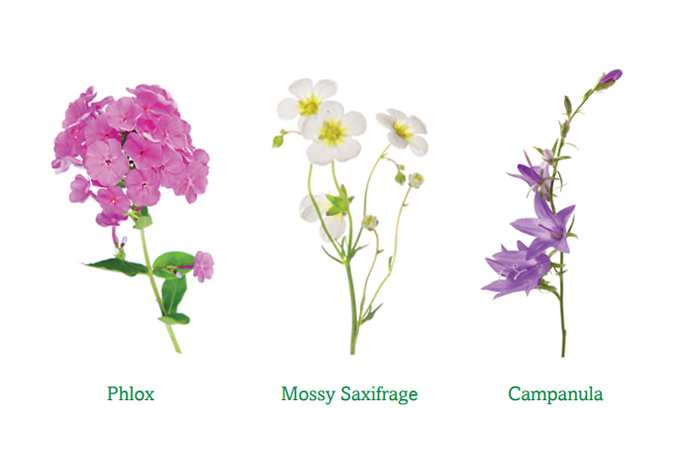 There is a multitude of different alpine varieties, here a few must-haves:
 Heathers There are two main types of heathers. Erica, which is Spring flowering and Calluna, blooms in late summer-autumn. Both types flower in various shades of pink and white and prefer acidic soil. All types of Calluna need acidic conditions to thrive. Most varieties of Erica are tolerant of lime and will grow well in varying pH levels. Often they are partnered with dwarf conifers for low-maintenance, evergreen planting schemes. How to care for heathers: Heather plants love acidic soil and will be happy in full sun or partial shade with regular watering. Whilst they are relatively low maintenance, heather plants will definitely benefit from a little bit of plant food during their growing months. Is heather good for bees? Heather is an excellent source of nectar for bees and is perfect for attracting pollinators to your garden.
Whatever the size or style of your garden, there are plenty of plants suitable for your space. Why not pop along to your local Cherry Lane to see what's available? Or, have a look at our Plants section for more inspiration.


